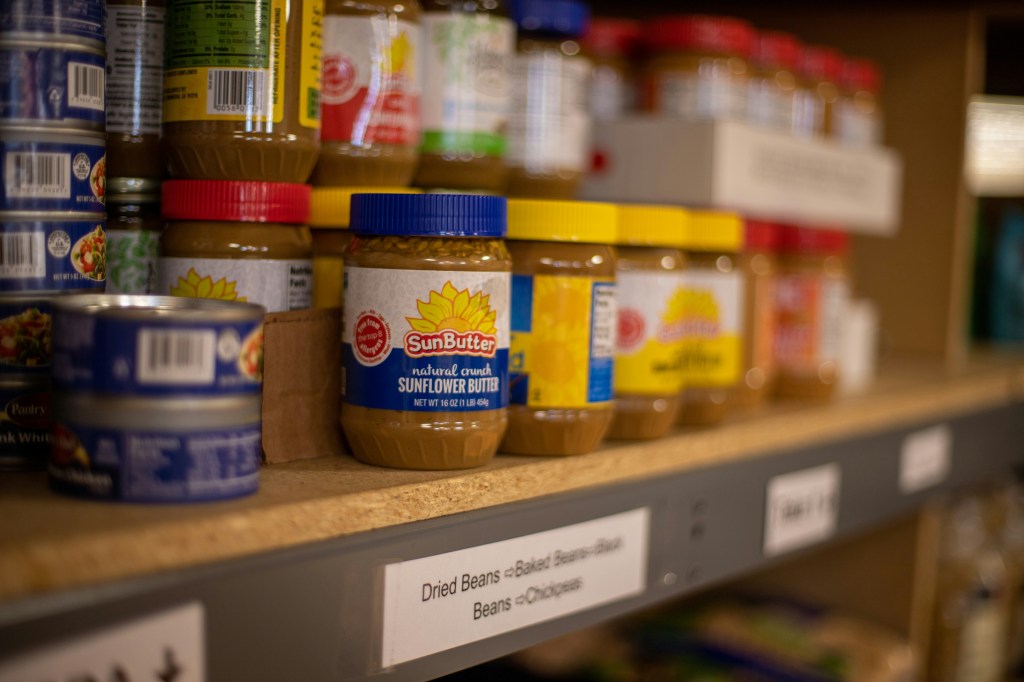
Connecticut Foodshare is an organization I have volunteered for and donated to in the past, so I decided to tackle this week’s assignment of “selecting the best metrics for the job” with them in mind.
Looking through Foodshare’s annual report ending 6/30/22, some of the biggest resource needs are food distribution ($71M in donated food) and food collection ($3M in expenses), which involves engaging its roster of 4,100+ volunteers. Besides staff, volunteers and customers, Foodshare partners with grocery stores that donate food as well as pantries/community kitchens.
Social media can and does play a valuable role for Foodshare via user-generated content from existing volunteers and donors. In reviewing existing social media, I found content in the following channels:
Facebook: 9,800 followers – reaches volunteers, employees and individual donors
LinkedIn: 2,000 followers – reaches businesses and organizations including corporate sponsors
Instagram: 4,346 followers – skews younger than FB, and promotes visual storytelling.
YouTube: 87 subscribers – didn’t find much content, see as an opportunity area to build content
A primary business goal is to increase the number of volunteers because it leads to deeper engagement, and eventually more donations. I did not see a tremendous use of hashtags so developing a few and monitoring their use could help Foodshare improve its social media impact if extracted, analyzed and used to make adjustments:
Follower Growth. With the above followers as a starting point and comments from volunteers and customers that need to be responded to in social media, Foodshare can jump into online conversations where needed. Looking in the audience insights tab in Facebook and Instagram shows where followers are located and their demographics.
Impressions. Measure the # times CT Foodshare content is viewed over time.
Engagement. Measuring a composite of likes/comments/shares over time.
Hashtags. There were 1.1M posts in Facebook alone using #foodshare, majority of posts were food-related community posts or cooking demonstrations. If Foodshare used a few more # consistently in content and user-generated content from its army of volunteers and partners, it would help to see what audiences are saying about topics it cares about.
Sentiment. On Foodshare’s Facebook page I found positive customer comments (with recommends) and another from a person who was upset about going to a food pantry and having someone cut in line ahead of him.
Click-Through-Rate. On social media posts and paid advertising, calculate CTR over time by taking the number of clicks and dividing by the number of impressions. Looking at this by type of creative will reveal what kind of content an audience enjoys the most.
Volunteer Sign Up. Of all the mini conversions that Connecticut residents can make to support Foodshare, signing up to volunteer is a central one.
Donations. Donating to Foodshare is a desirable action and being able to track the source of donations made through the website, including any social media sources.
Taking the time to extract, analyze and communicate key metrics to adapt strategy is well worth it. This includes keeping an eye out for the best time to post by reviewing the content tab in Facebook, Instagram and other channels to look for the days and times when posts get the most engagement so Foodshare can be out there when their audiences are likely to engage.
Social media has empowered consumers to take the reins of their own customer journey, engaging online in a way that puts them in the driver’s seat. Nonprofits like Foodshare who are visible throughout Connecticut can reap the rewards of a continuously improving social media strategy with metrics to back it up.
 On A Mission
Responses to blog