Working with raw footage and stills, an editor is in charge of how a story unfolds by working with layers of images, stories, dialogue and music, in addition to the varied performances of actors and actresses.
In The Bare Bones Camera Course for Film and Video by Tom Schroeppel, he encourages editors to be ruthlessly impartial when it comes to viewing, reviewing and cutting film, especially when the editor is the same person who created the original film.
There is a lot to consider when it comes to editing film. Fortunately, there are many tried and true techniques that can turn an average production into something that packs a bigger punch:
- Create an establishing shot early on in a sequence and then intermittently reestablish a wider scene, so the viewer doesn’t get disoriented.
- Basic sequences hang together when the content from one frame to the next is related (not identical), just like people experience similar environmentals when they visit a location.
- Mixing up the framing and camera angles of each shot makes for a more engaging viewing experience.
- Pacing of shots is an art that can be varied to underscore certain messages through the duration and repetition of shots.
“With the exception of montages, the best editing style is usually transparent and not noticed.”
In terms of sound, Schroeppel underscores the use of narration as an excellent connective tissue across disparate visuals, especially when mixed with sound and music. Sound mixing is more effective when each sound element is separated on its own track.
The best products are viewed objectively at the very end. This is often easier if there is the luxury of time to put a creation on the shelf and relook at it later with fresh eyes.
In the article, 15 Creative Editing Techniques Every Video Editor Should Know by Ryan McAfee, the two primary cuts are the Standard and the Jump cut, with the former piecing the end of one scene to another and the latter as a way to fast forward through the same scene. There is a dizzying array of editing techniques including wipes, fades and cutaways, so I am going to keep it simple for this initial assignment.
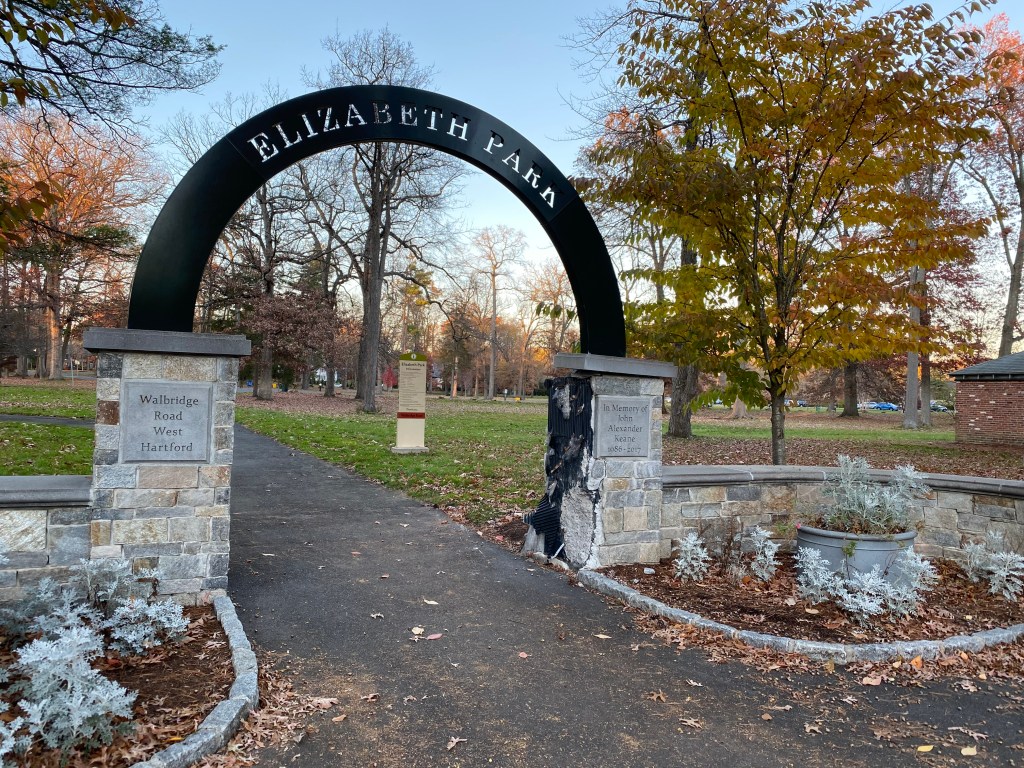
The video montage I created of Elizabeth Park in West Hartford is a medley of images stitched together to emulate a steady stroll around park’s grounds . The initial script I drafted was treated as a rough outline for compiling visual edits and I dropped the voiceover in favor of images supported by simple captions.
Pacing
Knowing when to end one shot and move to the next is an intuitive decision that editors make based on what they need to communicate and how long they believe each shot can hold their viewers attention. For the montage I created, after putting all the visuals together, making decisions on where to cut was primarily based on visual interest and which areas of the park I wanted to emphasize. Walking through a park is relaxing, so after listening to background music I selected an atmospheric instrumental soundtrack with a medium tempo to carry the stroll through Elizabeth Park.
Research to Inform
This week I found a few more examples to show different editing techniques and also examined the movie Professor Golden found, which is the 1985 science fiction film, Back to Future. Here is how the filmed paced for me:
- There is a lot of tension in this clip, which make time slow way down. The constant back and forth we see between the “doc” hanging from the clock tower and the kid (Michael J. Fox) who can’t get the car to start dramatizes the situation. The minute Fox hits his head on the steering wheel to jump start the car, the pacing picks up and the music shifts to carry us through a much faster viewing experience. While the video I have in mind won’t hold any of the tension of Back to the Future, it does reinforce the technique of shot repetition for important scenes, especially when paired with changing sound effects.
- I also watched the video Professor Golden shared of Elizabeth Park which was filmed in the park’s Summer prime and includes stunning drone shots of the Rose Garden. I did buy a new tripod for this assignment, which was essential for capturing steady shots and the perspective shots of the treetops.
- The following captures an introduction to pacing in the form of a creative video short based on the creative endeavors of a cowboy boot cobbler. The close ups, slower pacing and black and white footage draw you into the craft.
Create
Enjoy a stroll around the beautiful grounds of Elizabeth Park, West Hartford, Connecticut. The park attracts thousands of visitors each year who flock here to enjoy the park’s natural beauty. There is so much to see and do, including walking trails, tennis courts, picnic areas, ponds, an annual concert series, gorgeous gardens and a nationally acclaimed historic Rose Garden.
 On A Mission
Responses to blog