-
Planning a Mini Documentary

In preparing to develop a short documentary, we read about the forms of storytelling and its advent, which stems back to cave dwellers painting symbols on walls in combination with music and dance to share their perspectives. This evolved into written forms and the definition of storytelling and storyteller in the Cambridge Dictionary is:
“The activity of writing, telling, or reading stories. A person who writes or tells stories or reads them aloud.”
I recently watched the movie Jumanji where teens are sucked into a jungle video game that challenges them to solve a number of puzzles to “make it to the next level” and to get back to their regular lives. Video games create a virtual reality that many teens love where they try on different personas and participate in the unfolding game.
In this Tidal regarding aspects to a compelling story by Andrew Stanton, Pixar’s Toy Story creator asserts he has learned from another actor that every character in a story (whether fact or fiction), has a central motive (or “spine” as he calls it) that drives individual actions.
Regardless of its form, storytelling at its best involves the audience intellectually, emotionally or physically in a two-way exchange and includes elements like voiceover/narration, interview clips (Soundbites) of person in studio or on location, original or stock b-roll footage and photos to show what interviewees are talking about.
Faith Fuller at Desktop Documentaries recaps key steps for developing a documentary:
- Start with a topic that grabs the interest of the videographer.
- Check legal and copyright requirements.
- Research around the topic to find interesting facts and story lines.
- Plan it out, including the main character(s), core story points and what elements will create uncertainty, tension or intrigue.
- Create a shot list of the interviews and footage needed – these are the “ingredients”.
- Start shooting and create a variety of angles and mix of wide, medium and close ups.
- Edit the clips together “to create a roller coaster ride of emotion, some parts fast, some part slow to create a dynamic viewing experience.”
- Distribute the final product.
In thinking through topics for the documentary, there are several thought-provoking questions to ask oneself. In twenty questions to ignite your documentary filmmaking by Caitlin Cooper one of her primary assertions is that strong documentaries have staying power (think ten years).
One of the most interesting articles I read this week was by filmmaker Michael Moore who shares his unfiltered opinion on documentaries. Besides thinking of it as entertainment and avoiding obvious subjects, he asserts that interviewing people who disagree with you and finding topics that are controversial is a recipe for success.
Lighting is a huge factor in film and this week we discussed and read about three-point lighting: key light, fill light and back light.
- Key light: the primary and brightest light source can set an upbeat, softly lit atmosphere or a shadowy, moody feel. I’m going to go for the former in this video.
- Fill light: usually on opposite side of the camera to the key light, less bright than key and helps to fill in shadows.
- Back light: known as the rim or hair light creates depth between the background and the subject.
Professor Kent Golden helped me find the right camera settings for filming in low-light situations, so I adjusted my iPhone to 24 frames-per-second (FPS) and to a higher resolution (4K from 1080p), to let more light in when I went to watch improv and capture a few photos.
Research
In looking through examples of mini-documentaries I came across one that I found particularly compelling for its storytelling. Named ‘Kite Fight’, this Op Doc is a five minute video about a lifestyle habit in Rio de Janeiro that is more than a hobby, and for impoverished youth, it’s a form of self-expression and peaceful activism as “each man, boy for himself” creates and flies, just like a bird.
I grew up watching David Attenborough documentaries which were always narrated by him providing plenty of detail about animal life. They have since evolved into shorter formats, like the following mini documentary about a wolf hunting for artic hares. Watching this, I’m left to imagine about the wolf’s next meal and the camera crew who filmed this.
My critique of this piece is you don’t see the wolf catch his meal.
Pre-Planning Document I decided to build a mini documentary about improv and have gotten agreement from my old neighbor who performs at Tea Sea Theater in Hartford.
-
Creating a How-To Video

This week we continued to examine the expansive array of filming and editing techniques used in TV and movies.
One basic principle we have read about in The Bare Bones Camera Course For Film and Video by Tom Schroeppel to achieve a smooth shot transition is to change the image size and camera angle between each shot. I practiced this in our how-to video in combination with changes in image sizes and a few camera angle changes.
A Medley of Cuts
In this clip from the Matrix movie there are numerous examples of “Match on Action” where camera angles change in a single action to create interest and intensity, like when the gun fire switches to a female cartwheeling up the wall to avoid getting shot.
Cutting on action is another popular editing technique where there are film cuts in the middle of an action. This means action shots are filmed more than once from different perspectives and then come together in editing. If the last action of the prior shot is repeated in the subsequent shot, editing can bring the overlapping actions together smoothly.
Cutaways are another technique that draw you to a specific perspective within a scene and then back, whereas Cross-Cutting jumps to different locations, which can build tension.
Another principle we discussed and read about this week is the 180 Degree Rule, which gives guidelines for achieving continuity in the direction people face by creating an imaginary line that shouldn’t be crossed. There are situations where crossing the line is acceptable like cutting on the action, which makes it less distracting.
Editing Techniques
We reviewed other techniques like fading in/out from black and dissolves, which we used in last week’s montage to create a blended effect between the same or different scenes, with jump cuts to help to create a sense of time.
Audio cuts include an L cuts, where the audio from the current scene continues into the following scene. Then the J cut is when the audio from an upcoming scene begins before you get there.
Examples
In one example, we looked at multiple camera angles of someone playing a guitar. The first ten seconds show a ‘rule of thirds’ composed shot of the guitar, the hands as they play and by :12 we see an establishing shot of the man sitting on a rock with the ocean in the background, and jump cuts to the surrounding area, which look like a Castillo in Spain. A close up of his face, with some panning, extra close ups and back to the establishing shot.
A summary of shot types found in the restaurant scene from the 2008 movie The Dark Night are recapped below and there are likely many more. Characters: Harvey, Rachel, Bruce and Natasha:
Shot Types Who
Rule of Thirds Natasha puts menu over Bruce’s eyes (1:49)
Establishing Shot (WS) Bruce & Natasha Restaurant surrounds
High Angle Reaction Shot Rachel’s surprised face upon seeing Bruce
Medium Shot Bruce & Natasha, four of them
Close Shot Harvey grabsRachels hand
Cowboy Shot Between a medium-long shot
Angles (Depth) Four of them :43 restaurant behind.
Framing a Scene Rachel :019
Shallow Depth of Field Rachel 0:19 framed her, blurry background
Panning Harvey, Natasha & jump to Bruce
Long Shot Captures person head to toe
There are other examples where movies combine the cuts to help tell the story, which can be previewed here.
Continue to think about why different camera angles are even important… A – gives an audience perspective. (like an Arial shot, gives a big picture of a cars surroundings
In the following clip from the Matrix movie there are numerous examples of “Match on Action” where camera angles change in a single action to create interest and intensity, like when the gun fire switches to a female cartwheeling up the wall to avoid getting shot.
Create
I decided to turn the annual tradition of decorating a Christmas Tree into this week’s How-To- Video and found a spot in my living room for the tree.
I went for soft diffuse lighting so I used a few lamps including the tall one you see that shines a light up on the ceiling. What I didn’t see when filming was the shadow the lamp creates above the fireplace. You also see a glimpse of the outside and get the sense that the day is coming to a close, which creates a ‘cozy’ effect.
In reviewing, I could have used a some of the techniques we’ve discussed like cutaways to a nearby Poinsettia and more variety in the angles.
Here it is:
-
Capturing a Stroll Through Elizabeth Park

Working with raw footage and stills, an editor is in charge of how a story unfolds by working with layers of images, stories, dialogue and music, in addition to the varied performances of actors and actresses.
In The Bare Bones Camera Course for Film and Video by Tom Schroeppel, he encourages editors to be ruthlessly impartial when it comes to viewing, reviewing and cutting film, especially when the editor is the same person who created the original film.
There is a lot to consider when it comes to editing film. Fortunately, there are many tried and true techniques that can turn an average production into something that packs a bigger punch:
- Create an establishing shot early on in a sequence and then intermittently reestablish a wider scene, so the viewer doesn’t get disoriented.
- Basic sequences hang together when the content from one frame to the next is related (not identical), just like people experience similar environmentals when they visit a location.
- Mixing up the framing and camera angles of each shot makes for a more engaging viewing experience.
- Pacing of shots is an art that can be varied to underscore certain messages through the duration and repetition of shots.
“With the exception of montages, the best editing style is usually transparent and not noticed.”
In terms of sound, Schroeppel underscores the use of narration as an excellent connective tissue across disparate visuals, especially when mixed with sound and music. Sound mixing is more effective when each sound element is separated on its own track.
The best products are viewed objectively at the very end. This is often easier if there is the luxury of time to put a creation on the shelf and relook at it later with fresh eyes.
In the article, 15 Creative Editing Techniques Every Video Editor Should Know by Ryan McAfee, the two primary cuts are the Standard and the Jump cut, with the former piecing the end of one scene to another and the latter as a way to fast forward through the same scene. There is a dizzying array of editing techniques including wipes, fades and cutaways, so I am going to keep it simple for this initial assignment.
The video montage I created of Elizabeth Park in West Hartford is a medley of images stitched together to emulate a steady stroll around park’s grounds . The initial script I drafted was treated as a rough outline for compiling visual edits and I dropped the voiceover in favor of images supported by simple captions.
Pacing
Knowing when to end one shot and move to the next is an intuitive decision that editors make based on what they need to communicate and how long they believe each shot can hold their viewers attention. For the montage I created, after putting all the visuals together, making decisions on where to cut was primarily based on visual interest and which areas of the park I wanted to emphasize. Walking through a park is relaxing, so after listening to background music I selected an atmospheric instrumental soundtrack with a medium tempo to carry the stroll through Elizabeth Park.
Research to Inform
This week I found a few more examples to show different editing techniques and also examined the movie Professor Golden found, which is the 1985 science fiction film, Back to Future. Here is how the filmed paced for me:
- There is a lot of tension in this clip, which make time slow way down. The constant back and forth we see between the “doc” hanging from the clock tower and the kid (Michael J. Fox) who can’t get the car to start dramatizes the situation. The minute Fox hits his head on the steering wheel to jump start the car, the pacing picks up and the music shifts to carry us through a much faster viewing experience. While the video I have in mind won’t hold any of the tension of Back to the Future, it does reinforce the technique of shot repetition for important scenes, especially when paired with changing sound effects.
- I also watched the video Professor Golden shared of Elizabeth Park which was filmed in the park’s Summer prime and includes stunning drone shots of the Rose Garden. I did buy a new tripod for this assignment, which was essential for capturing steady shots and the perspective shots of the treetops.
- The following captures an introduction to pacing in the form of a creative video short based on the creative endeavors of a cowboy boot cobbler. The close ups, slower pacing and black and white footage draw you into the craft.
Create
Enjoy a stroll around the beautiful grounds of Elizabeth Park, West Hartford, Connecticut. The park attracts thousands of visitors each year who flock here to enjoy the park’s natural beauty. There is so much to see and do, including walking trails, tennis courts, picnic areas, ponds, an annual concert series, gorgeous gardens and a nationally acclaimed historic Rose Garden.
#ElizabethPark #WestHartford #Nature -
Planning a Video Shoot
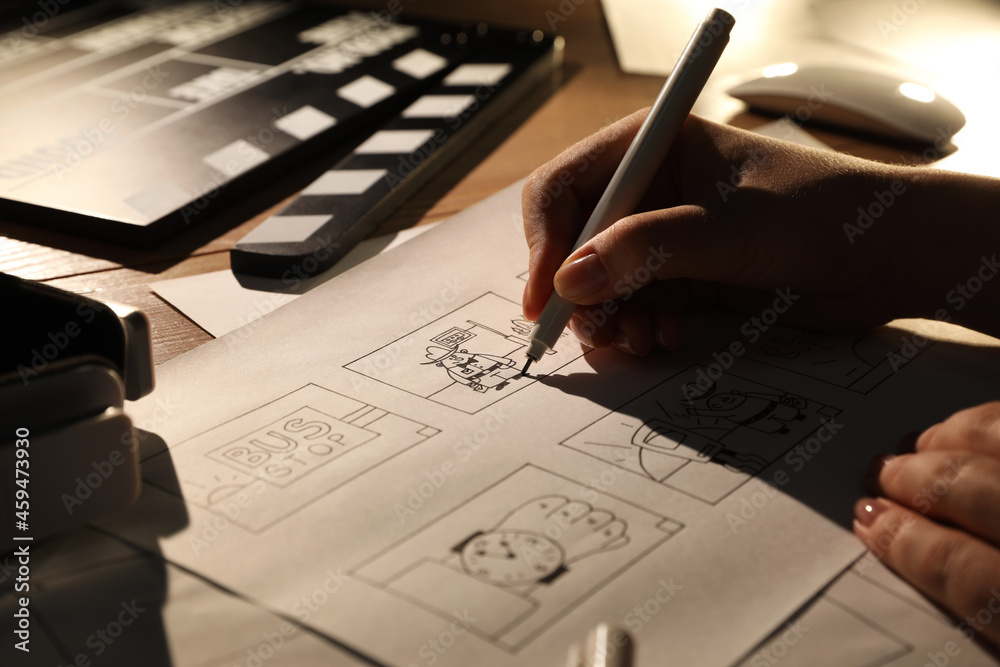
Video pre-production planning is this week’s focus. Reading through several chapters of The Bare Bones Camera Course for Film and Video by Tom Schroeppel, we examined what good and bad composition looks like in addition to reviewing popular camera moves as summarized by the New York Film Academy (NYFA).
At this week’s project planning stage, we first completed a creative brief to establish our goals, audience, message and location for a video that will be just a few minutes.
The storyboard is a series of visual ideas that are sequenced to show a two-dimensional paper version of the video before it is filmed. Each visual frame shows the accompanying voiceover and music, or sound effects.
I decided to focus shooting this assignment in a natural setting, with a tour of the park’s highlights:
Camera Composition
The Rule of Thirds helps to improve composition by dividing up a picture frame horizontally and vertically into thirds and then placing the center of interest at one of the four main intersections. The rule of thirds can also be combined with other guidelines like creating balance, head room and depth, while working with bright colors that capture the eye while mitigating distracting backgrounds.
Camera moves include zooming in and out to either focus attention or reveal new information. I’m thinking about how I can incorporate this in a natural setting. Other recommendations like always coupling a camera move with a well composed static shot to bookmark the beginning and end, and not overdoing the camera moves are sound advice.
Movie Clips
Here are a view movie clips I found to highlight some of this week’s concepts:
Despicable Me
I selected this clip for the way it opens with an over-the-shoulder high-angle camera shot of Agnes looking up at a partial unicorn as she demands a stuffed unicorn. The camera tilting down gives a sense of her small frame and it quickly transitions to reveal a wide shot of the fair. (Start at the beginning through the :10 mark.)
Knives Out
Watch the first :10 – :30 of this trailer featuring Jamie Lee Curtis and you see how the camera team establishes an opening shot of the house immediately followed by a rapid series of facial close-ups to reveal all the potential murder suspects. It draws you right in.
In terms of bringing it all together into a video montage next week, we are reminded by Author Tom Schroeppel to create variety by capturing a range of image sizes and angles.
“A camera move should have a purpose. It should in some way contribute to your viewers understanding of what they’re seeing. If it doesn’t, the move distracts and calls attention to itself.”
-
Ta-da! Listen Up
This week is the moment of truth, where we produced our initial podcast. I took advantage of my parents visit by interviewing them about their upbringing in the UK in the 1940’s. If you want the details and how I prepared, please see last week’s blog, UK Childhood in the 1940’s Swing Era.
CREATE
After all the preparation, including creative brief, rough script and mind map, I took the extra step to create the actual questions that incorporated some of the suggestions from Prof Golden, including some of the hardships and what first came to mind. The interview came together like a mini time capsule and I learned a few things about my parents upbringing that I didn’t know. For instance, I had no idea that my father’s initial home did not have electricity!
Enjoy listening to the podcast here followed by a recap of this week’s readings and tutorials.
READING & WRITING
To help prepare for the conversation, I read the assigned reading, 7 Secrets on Getting Pro-Sounding Vocals on Home Recordings. The upstairs bedroom where I work is pretty cavernous, so I decided to have the conversation in the living room where there is a comfy sofa and a rug to help absorb sound.
For this initial recording I used my MacBook Pro. When I do buy a plug-in mic and pop filter, I will listen up to see what a difference that makes to the overall sound quality.
It was helpful to read that you should try and capture as much of a “take” as possible, so not to distort the vibe. I followed this advice as much as possible, while removing a few of the run on sentences. I cannot help but focus on vocal pitch when I listen to podcasts, but do understand the idea of giving more credence to performance than pitch.
Sampled Podcasts
I have listened to Brene Brown for a few years now and enjoy her Texas style and content. Her Dare to Lead show is particularly enjoyable and uses the same upbeat music in each episode. The show is artfully mixed like the way the music comes in after her introduction to let listeners know we are about to move to the conversation. It then comes in at the end of the introduction to let the listener know we’re about to transition to the conversation. I like the way she credits everyone at the end of each show.
I was first introduced to Tim Ferris when I read his book, the four-hour work week. I enjoy the topics he covers including health, business and relationships. When he interviews someone, you can tell that he has always done his homework and makes follow up statements and questions that expand the conversation. His show notes are a work of art and his penchant for productivity and continuous improvement is inspiring.
Finally, I picked this series because Tim Ferris has a deep vocal timbre that adds gravitas to his podcast and personal brand.
Diane Sawyer on Oprah’s Master Class
For any young person starting out and thinking about a career in journalism, this point of view presented by Diane Sawyer is a compelling listen. She too has a vocal quality that draws you in. There’s nothing like listening to an expert who is speaking from a depth of experience and curiosity to bring her truth to others. Unlike the above shows, I selected this because it includes intermittent narration from Oprah with no sound effects, which does give the content lots of breathing room.
RESEARCH TO INFORM
Since my home computer is a Mac, I found GarageBand to be a more intuitive tool than Audacity. It is also free and secure to download.
Most of my own research this week was focused on the nuts and bolts of editing podcasts and finding royalty-free music and sound effects.
Here is a sampling and recap of this week’s readings:
How to record/edit in Garage Band
This showed me the basics of creating a new podcast and all the tracks that go along with it. It took me a while to get the hang of trimming the audio and made plenty of mistakes along the way.
When it comes to dropping in audio or sound effects, two options are provided here. After finding the music and sound effects in Pixabay and used the drag and drop approach, pulling in the new audio to different audio tracks.
Safely using music and sound effects
I searched several royalty-free sites for a news report from the 1940’s or the Glenn Miller track I’d originally had in mind to open up the podcast but fell short in my search. So, after some time of searching several of the sites below, the closest thing that fit the times was an upbeat jazzy instrumental track called Bobby Swing from Pixabay.
In my search for audio, I looked for tracks that were either in the public domain, free to modify, or marked royalty-free. I also found a few relevant sound effects, including the sound of trains, low flying airplanes and bombs exploding.
- Creative Commons
- Royalty-free music is the most popular kind for podcasts (free or one-time)
- YouTube music archives
- Incompetech.com – requires you give credit
- SoundCloud
- Free music archive.org
- Pixabay
- Royalty-free Paid Music
- Sound Stripe
- Audio Jungle (choose right license – looking for multi-use license)
- Stock music.com (can use it forever)
- Epidemic Sound
- Art List
A note on mixing. I did find the volume adjustment setting and played around with them, fading in and out sound effects. I now have a greater appreciation for the skill it takes to artfully mix a podcast, so this is just a starting point!
-
UK Childhood in the 1940’s Swing Era
Growing up in 1970’s England, I loved to listen to every kind of music including my parents record collection that began with Simon and Garfunkel’s album, Bridge over Troubled Water.
Way before podcasts and music on demand were on the scene, my brother and I would wait for the Sunday evening UK billboard hits and tape our favorite songs so we could relisten to them a million times before the following Sunday, when we rerecorded over them. The audio tracks sometimes included my gran talking in the background and were the furthest thing from sophisticated that you could imagine.
My mum listened to Casey Kasem’s American Top 40 on a Sunday while she cooked dinner, so radio was a big part of life.
So here we are decades later talking about podcasts, including how to plan and record a compelling podcast in a sea of available content.
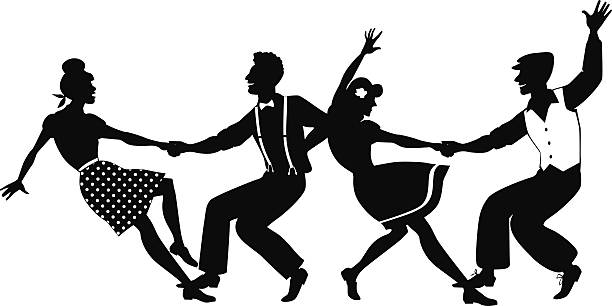
In my first podcast, I decided to plan an interview with my parents about their childhood in the 1940’s. My father grew up in Scotland and was born in 1939 and my mother lived in England and was born in 1944, so the conversation has World War II as a backdrop.
It’s poignant and funny what they remember, and I can’t wait to record it. Below are some points I took from this week’s readings and podcasts I sampled for inspiration:
Podcaster Robert Cudmore walks us through the essentials of writing ‘invisible’ scripts, which should sound natural. Aside from using spoken language (contractions etc.), he encourages any budding podcaster to experiment with structure and detail to find just the right balance in their script.
Outlining can be a simple text approach (using Evernote), pen and paper, index cards, mind maps (iThoughts, Free Mind, Mind Note). Scrivener is an application for organizing longer writing pieces. Editing tools may include Grammarly.
Recommended approach is to outline, write and then tackle editing separately. And for the perfect delivery, we are reminded to speak slowly and record 2-3 ‘takes’ of each element with a pause between each to allow for editing.
In the The Bare Bones Camera Course for Film And Video, Tom Schroeppel summarizes a few different ways to record sound including omnidirectional and directional microphones. Some recording devices are handheld while others hang from extendable arms called booms. To record sound close-up, a person may fasten a lavalier Mike to their lapel!!
Sampled Podcasts
This American Life is primarily a non-fiction journalistic-style one hour radio show that explores current events and short stories. I listened to one by the host Ira Glass that focused on babysitters told in part through the brutally honest point of view of a six and nine-year old. For a touch of whimsy, the Perfect Nanny track from Mary Poppins is featured.
NPR’s Up First is a favorite podcast that sums up the day’s news in 15-minutes or less. It starts with a quick recap of the headlines and dives right in. There are two hosts and guests with no other audio in this focused news podcast. One downside: it is interrupted with ads near the beginning and end of the show.
Car Talk by the hilarious Click and Clack – I have no interest in mechanics but this one is fun to listen to for pure entertainment. The banter and laughter between the Bostonian brothers and good-natured fun they poke at anyone who calls in, makes this one an irresistible listen.
-
Psst: Let’s Befriend Artificial Intelligence

Everyone is talking about Artificial Intelligence (AI) and its capacity to change how we work, communicate and make decisions. Organizations of all industries and sizes are testing, learning and adapting to AI’s increasing capabilities to perform human-like work, including service operations, product development and marketing functions.
For anyone in a creative field, machine learning can analyze vast amounts of information and create a summary in a matter of seconds, jump starting any research or creative project. AI natural language and image generators are also growing in leaps and bounds as individuals enjoy the time and money saving benefits of these AI-powered content generators.
It’s not just our work lives that are changing. AI is integrated into our daily product purchases through retailers like Amazon and Walmart, and we have the freedom to try AI as we find new ways to customize shopping for clothes, entertainment, personal care and home products.
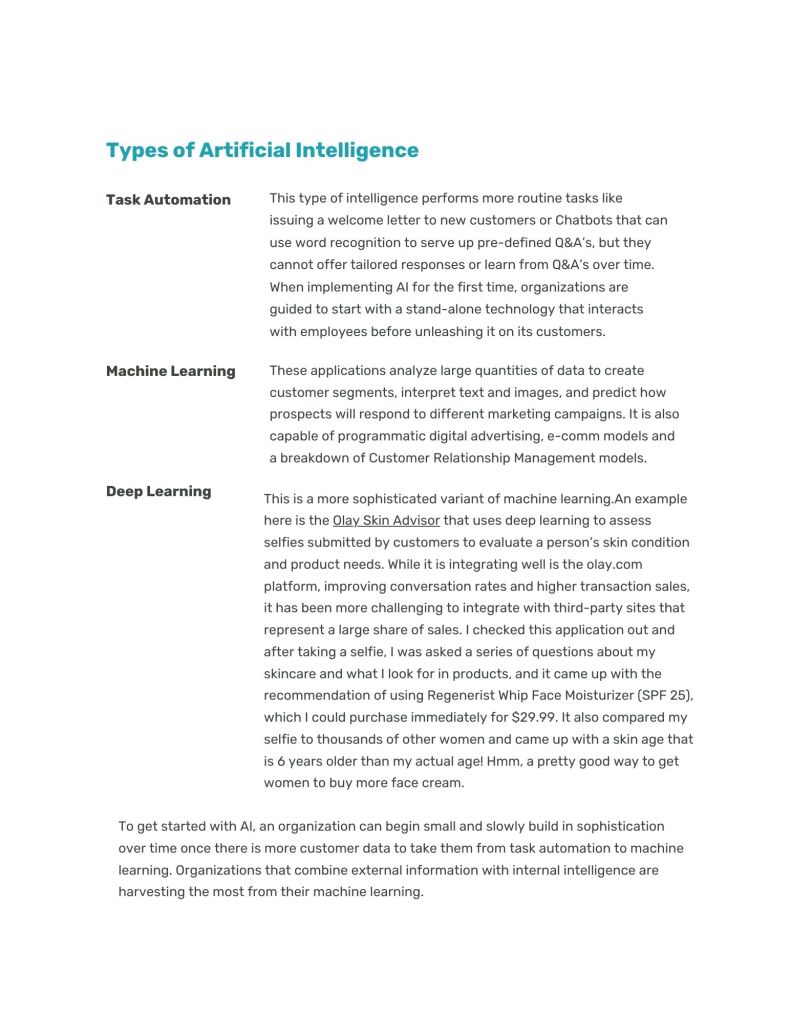
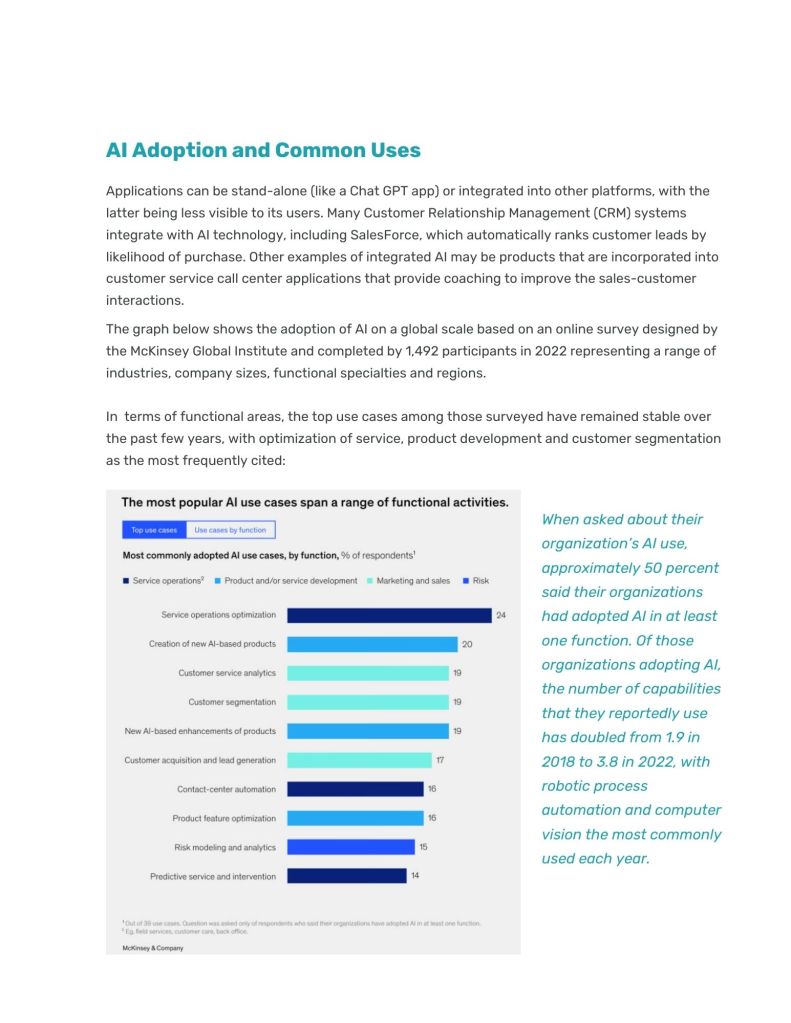
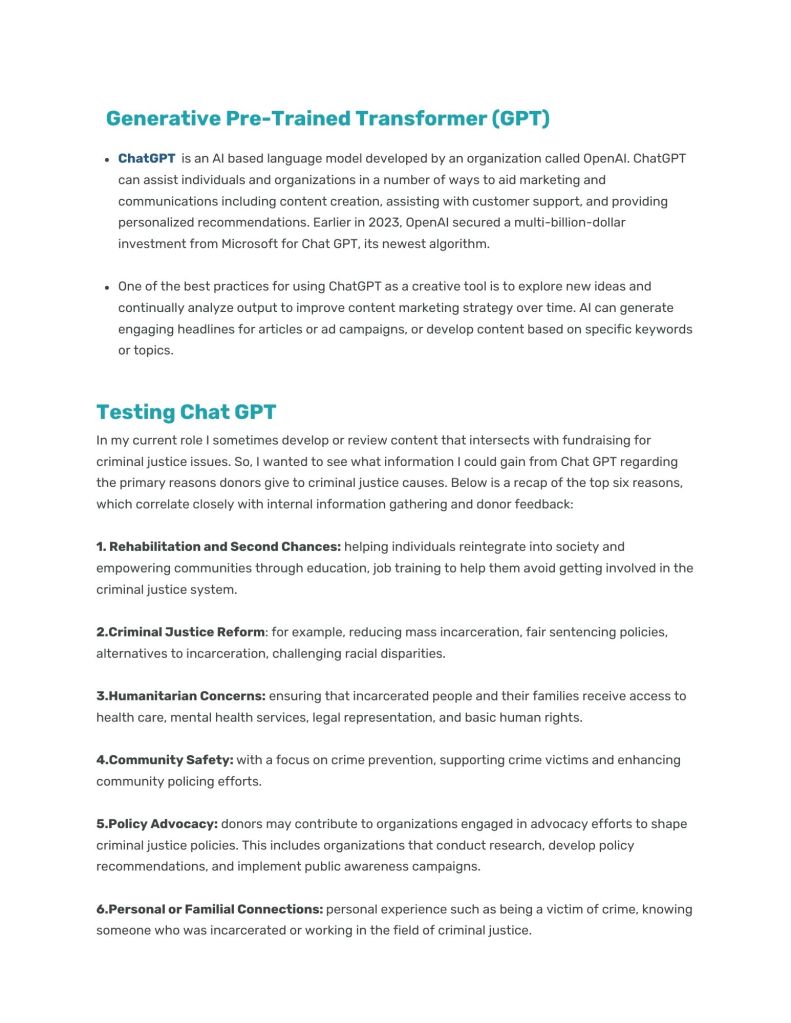
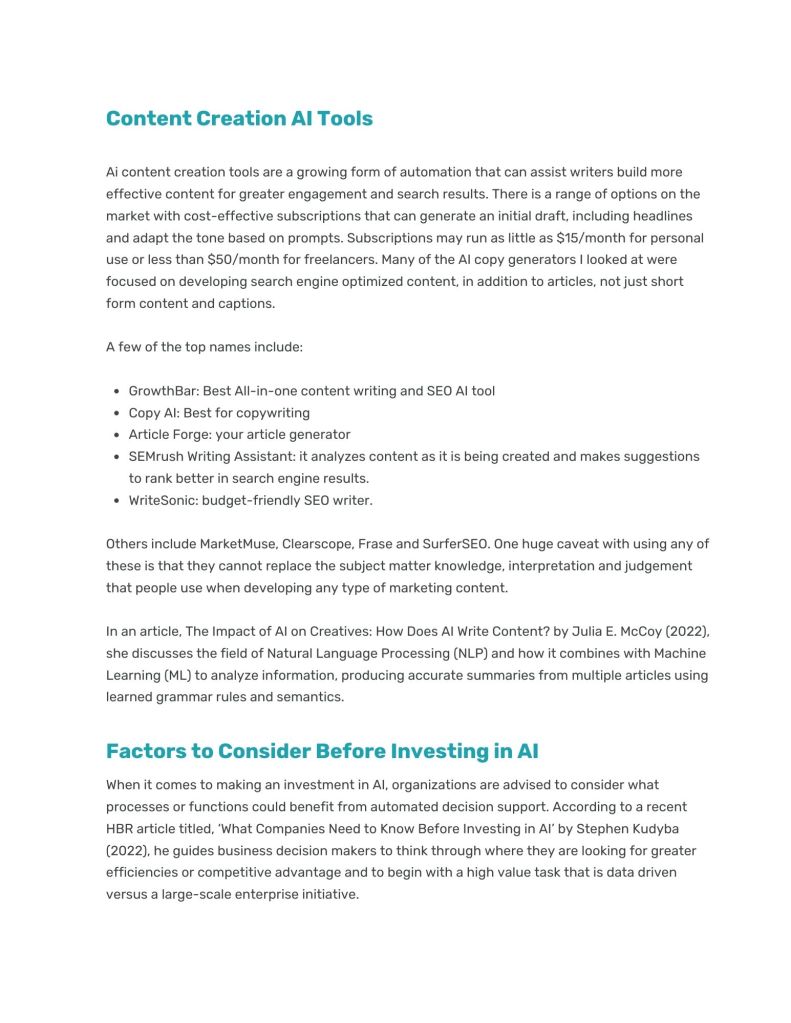
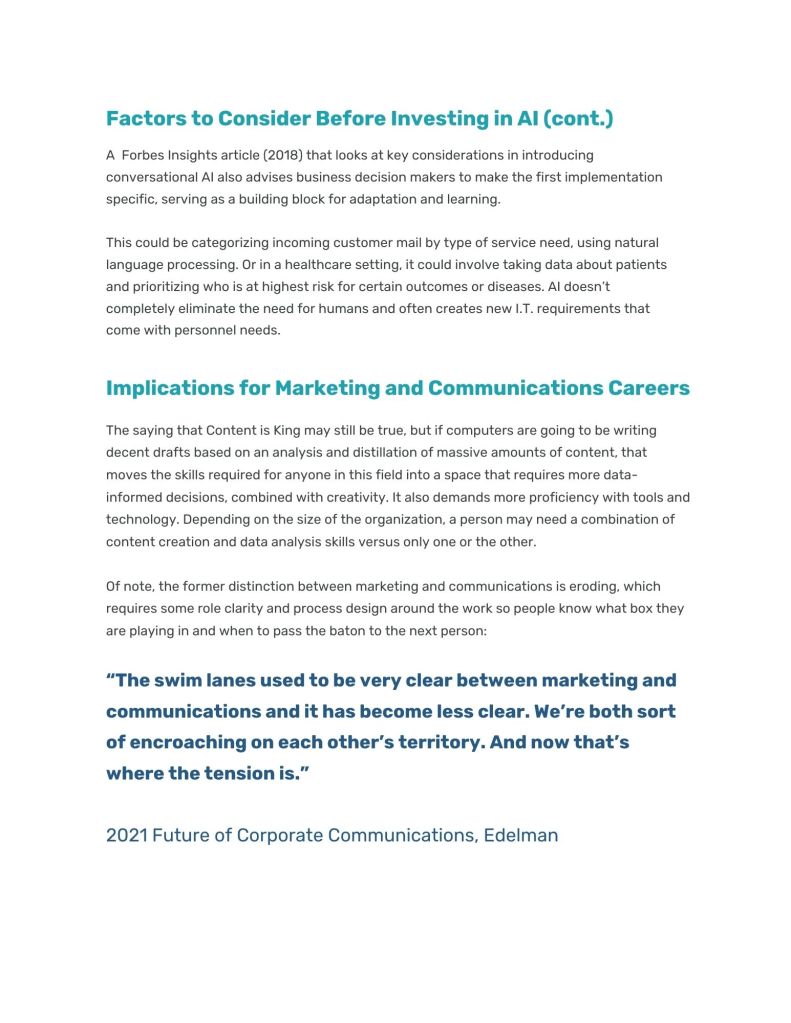
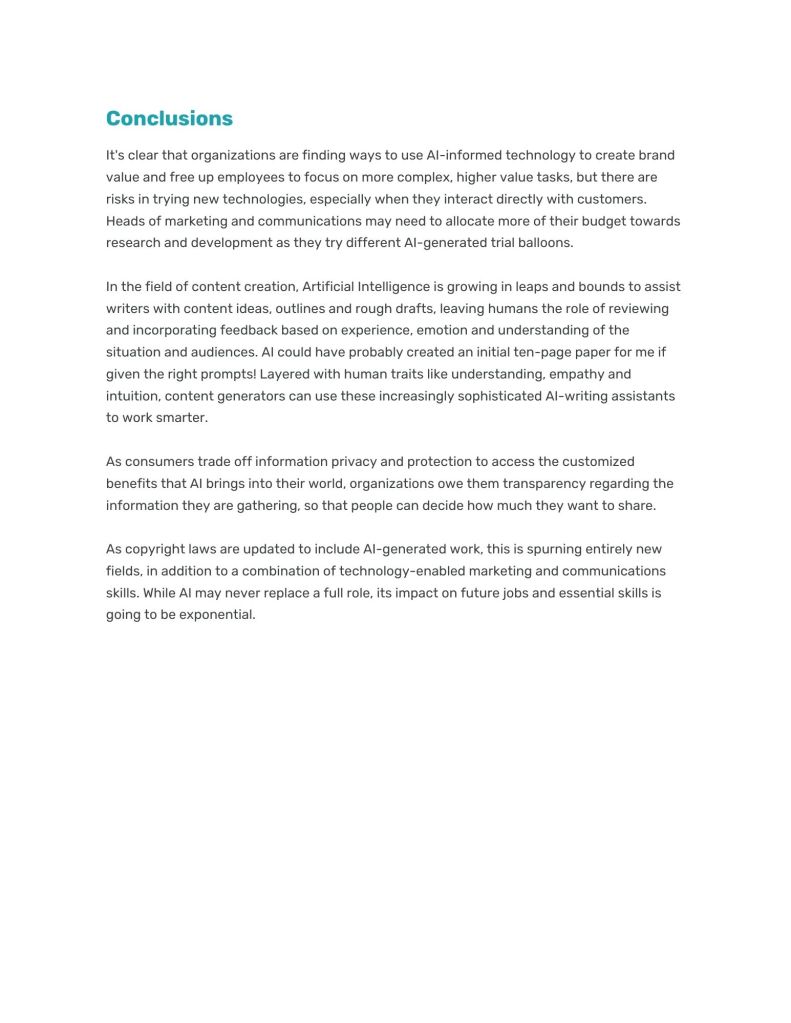
Like it or not, AI is here, and we owe it to our careers to embrace it. Please read my white paper below on how AI is powering marketing and communications and let me know how you are using it at linkedin.com/in/juliacasey1.




-
Building Smarter Content

A popular philosophical saying is, “if a tree falls in a forest, and no one is around to hear it, does it make a sound?”
There are so many ways to think about this and there are a million different possible answers, depending on how you look at this. Scientists will say ‘absolutely falling trees make a sound, even when no-one is there is witness it,’ and theologians may say, ‘well god still heard it’, but a marketer may say, ‘if no-one is there to witness it falling, then it is just a casualty’ then no, it doesn’t ‘count’.
As a user and a producer of digital content, I want to produce content that is seen by the right eyeballs, at the right time, in the right mindset. I want to understand the role that Artificial Intelligence (AI) is already playing in content marketing, so the words are met with satisfaction and even a positive shift within the reader who now understands, empathizes and/or feels something inside about the subject matter, and more importantly the people involved.
In a Forbes article written by Charles Mazzini (2020), he examines five ways in which Artificial Intelligence is already changing what he calls, “the game of content marketing”. If AI can analyze and provide data analysis more efficiently and accurately than humans, then content developers can spend more time doing what they enjoy, armed with information about the people they want to influence.
Artificial intelligence is so smart that it can do the leg work of content research, often performed by people and it can do this in a way that provides highly attuned information, not just a data dump.
Amazon is one of the most frequently cited organizations using AI, with predictive analytics that gathers data about buying habits, which are then used to suggest other relevant products at an individual buying level. It is a global marketing machine that according to a recent analysis of 2022 sales by Jitender Miglani, Sr Forecast Analyst (Forrester Research, Feb 2023), Amazon’s net sales surpassed the half-trillion-dollar mark, becoming the second US company after Walmart to reach that milestone.
While I do not aspire to help Amazon get richer, I do think they are able to demonstrate all the trees they have felled, and smart data is a big factor in their success.
-
Gaining Focus through Play
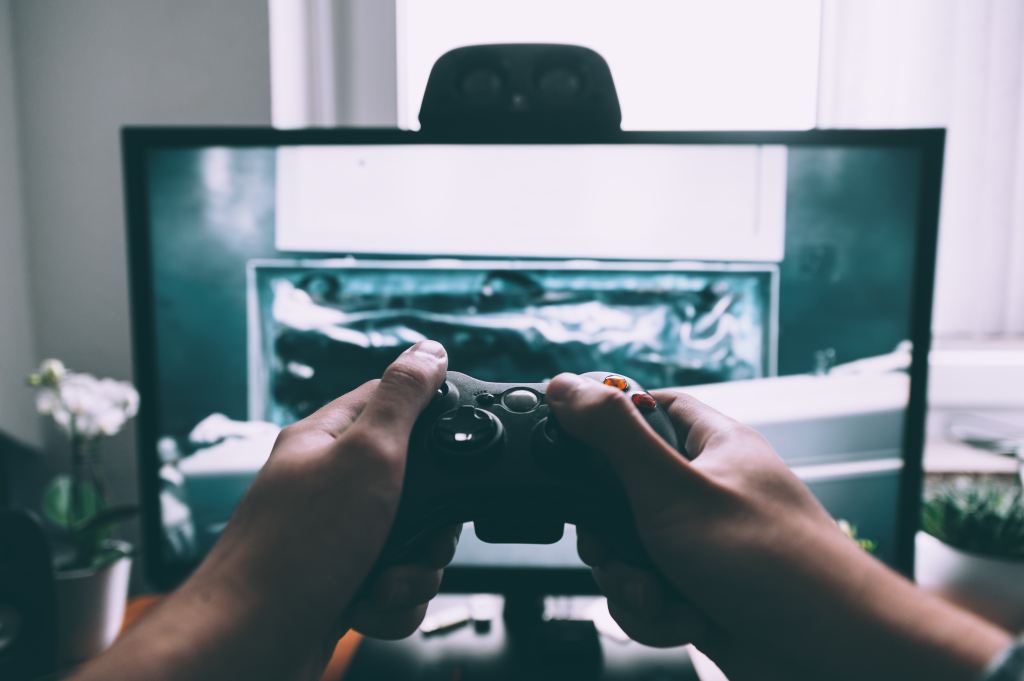
In Johann Hari’s book, Stolen Focus: Why you can’t pay attention – and how to think deeply again (2023), he attributes one of the reasons for a loss in focus to a dramatic drop in “free play and free inquiry”. He shared an experience from his trip to Columbia where he watched children chase each other around, with just other kids to watch over them, contrasting it to confined nature of many upbringings in the developed world.
“The evidence couldn’t be clearer: if you stop kids from acting on their natural desire to run around, on average, their attention, and the overall health of their brains, will suffer.”
While some experts say genetics accounts for an ADHD diagnosis, how those genetics show up for better or for worse, has everything to do with the environment people are living and working within. In Daniel H. Pink’s book, a Whole New Mind (2006), he speaks about play’s role in activating the right-unlimited part of the brain. He calls out the role of play in video gaming and the reason why U.S. consumers spend significantly more on gaming than on movies. And the close relationship between humor and emotional intelligence.
Technology has played a big role in my sons’ relationships and I’ve overheard them both having so much fun talking with their friends through online games. It is one of the perks of parenting in this era to overhear them literally squealing with laughter. In the book Fourteen Talks by Age Fourteen by Michelle Icard (2021) she talks about focusing on the basic human behaviors you want your child to follow, whether in real life or on screen. Having fun and forming connections with others is a primary motive for most people, especially for youth who learn so much through play.
When I take walks at the apartment where I am currently living, I see a group of young men climbing out of a car to play cricket. They are playing on a baseball field with a tennis ball, so it doesn’t look to be a serious game, but they do look to be having fun. Even as a bystander, it is so much fun to watch or hear other people enjoy themselves.
Fun much like laughter and hiccups, is contagious. It’s a free and positive energy that can help everyone find more focus.
-
Should tech companies stop surveillance capitalism?
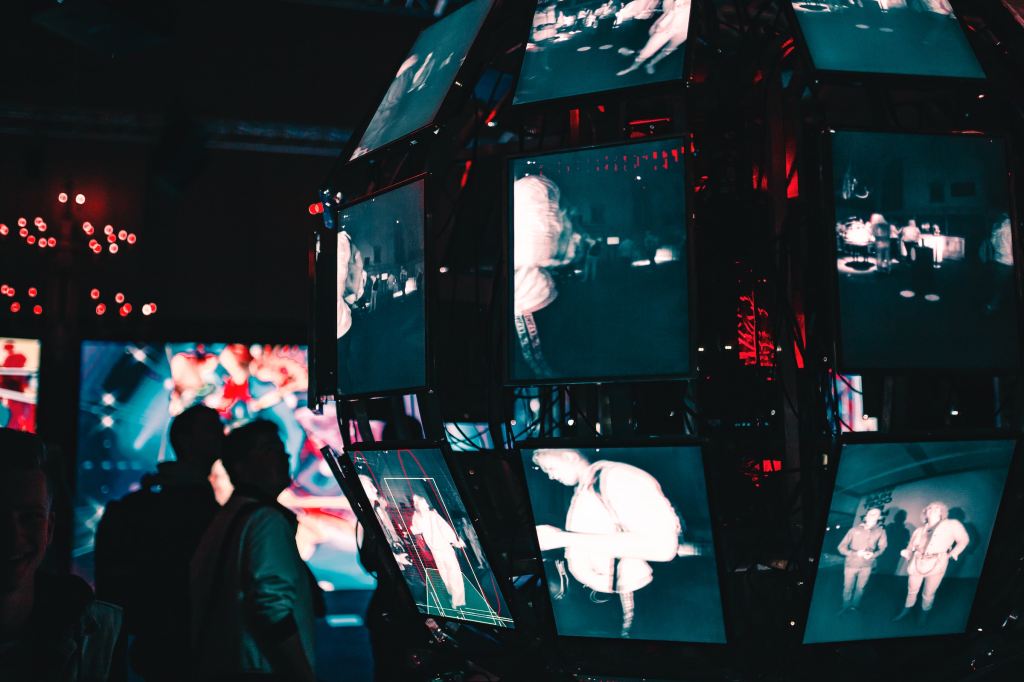
Much in social media about the harmful effects of too much time spent glued to the seemingly never-ending stream of social networks. We know the addictive nature of social media feeds the brain with the rewarding dopamine chemical that when taken to an extreme puts a person into a “dopamine deficit state” which can spiral down to depression and anxiety, in addition to sleeplessness, according to Anna Lembke, MD and author of Dopamine Nation (2021).
In Jonathan Haidt’s Atlantic article (Yes, Social Media Really Is Undermining Democracy, 2022), he likens social media to the tobacco companies before they were willing to admit any evidence of the damaging effects of smoking. There is a large sea of data about the effects of social media on American life and Facebook’s Meta will not capitulate to the argument that there is enough evidence to prove its harmful effects. Haidt’s article goes onto say:
“Even if social media really did begin to undermine democracy (and institutional trust and teen mental health) in the early 2010s, we should not expect social science to ‘settle’ the matter until the 2030s.”
By the time we get to this point it may be too late to make changes if harm has been done. Solutions offered in Johann Hari’s book titled Stolen Focus (2022) include banning what Professor Shoshana Zuboff calls “surveillance capitalism” involving excessive online tracking and selling private information.
If social media governance shifted from the private to the public sector that would disrupt the current profit-focused business model. If this were to happen technological progress may slow down enough to allow for more consideration of the implications to the human race.
The technological tail has been wagging the dog for way too long and it’s time for it to change.



Leave a Reply